

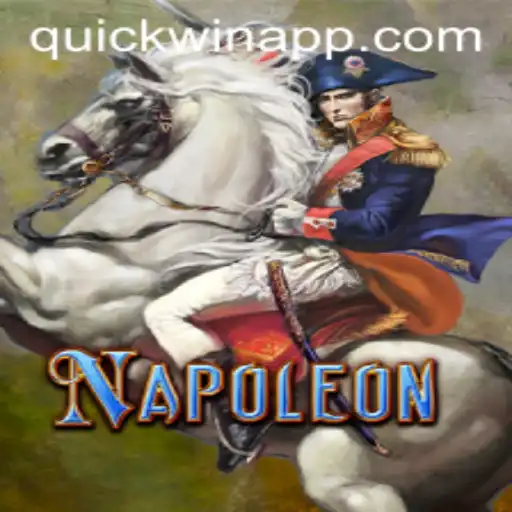
Explore the intriguing world of Napoleon, a strategic card game that tests wit and strategy, and its exciting fast-paced variant, Quickwin. Dive into the game's description, introduction, and rules.
Unveiling the Strategic Card Game: Napoleon
Napoleon is a captivating trick-taking card game that has intrigued strategic minds for generations. It is enjoyed for its complex tactics and engaging gameplay where players lead battles and outwit each other. Historically rooted in the era of the French Napoleonic Wars, the game captures the essence of strategic planning and deception, imitating historical military maneuvers.
The Fascinating Introduction to Napoleon
The card game Napoleon is believed to have originated in the early 19th century amidst the backdrop of European conflicts. These tumultuous times gave birth to this game as a recreational yet strategic pastime for soldiers and civilians alike. Today, it still carries the spirit of its namesake, Emperor Napoleon Bonaparte, a figure renowned for his military acumen.
As an enduring classic, Napoleon requires players to think several steps ahead. Its interplay of risk and reward has both traditional elements and modern appeal. This makes it a staple not only in casual gatherings but also in competitive environments where strategy enthusiasts engage in stimulating combat of cards and minds.
Understanding the Basic Rules of Napoleon
The game typically involves a standard 52-card deck and a group of four to six players. The objective is to win as many tricks as possible and outscore opponents, yet it is not just about sheer numbers but also about careful choice and discernment.
Players first engage in a bidding process to determine their role in the round, often seeking the coveted position of "Napoleon," who leads the attack. The player making the highest bid assumes this role and is tasked with fulfilling the bid's conditions against all other players, who form temporary alliances.
Core Gameplay – Bold Strategic Choices
Each round consists of several tricks, with players contributing one card per trick. The critical decision-making process revolves around the choice of leading suit, playing high-scoring cards at right moments, and capitalizing on opponents' weaknesses.
The "Napoleon" must deliver on the number of tricks promised during the bid. Failure results in penalties, while success brings rewards. This dynamic introduces an intense psychological element, making it as much a mental game as it is one of chance.
Delving Into Current Events: An Introduction to Quickwin
In recent years, the world has witnessed a surge in demand for faster-paced games. As lifestyles evolve, so do recreational preferences, inviting newer variants of classical games designed for quick play. This brings attention to an exciting variation of the classic game, aptly named "Quickwin."
What Sets Quickwin Apart
Quickwin retains the original's strategic charm but introduces modifications for shorter, action-packed sessions. By minimizing setup times and reducing the complexity of bidding and scoring, it caters to modern audiences who crave engaging yet fast-paced experiences.
The aim of Quickwin remains the same: triumph through strategic acumen, albeit in condensed rounds that inject urgency without sacrificing depth. Enthusiasts can savor the thrill of strategic card play while accommodating busier schedules.
Revisiting the Game in Contemporary Times
The emergence of Quickwin and similar adaptations indicate the adaptability of traditional games in modern contexts. This evolution encourages a broader demographic, including families and younger players, to appreciate the ingenuity embedded in such classic forms.
As societies adapt to new normalities shaped by digital transformation, the resurgence of such card games suggests an appreciation for tradition. It also reflects a desire to maintain social interaction beyond virtual barriers, bringing people together physically, fostering community, and crafting shared experiences.
The Enduring Legacy of Napoleon
Napoleon and its variants, including Quickwin, continue to captivate enthusiasts around the globe. The core challenge remains: captivating the balance between aggressive tactics and strategic restraint.
This card game intricately mirrors the enduring strategies employed by historical figures like its namesake, inviting players to assume the mantle of commander on the tabletop battlefield. As a testament to the timelessness of strategic engagement, Napoleon persists in its allure, continually inviting players into its world of cunning, strategy, and wit.
The game promises endless intrigue for those who dare enter its fray, providing both a retreat from the routine and an ever-present test of human intellect. Whether in traditional form or under the fast-paced tempo of Quickwin, Napoleon remains an exemplary case of a game that beautifully marries history with innovation.


0 Comments